Barcelona: what is actually worth booking
The things that need a timed ticket weeks ahead, the things you can walk into, and the ones we would tell you to skip.
Written by Sienna for Roaminger · Updated September 2026 · Compared from published operator terms
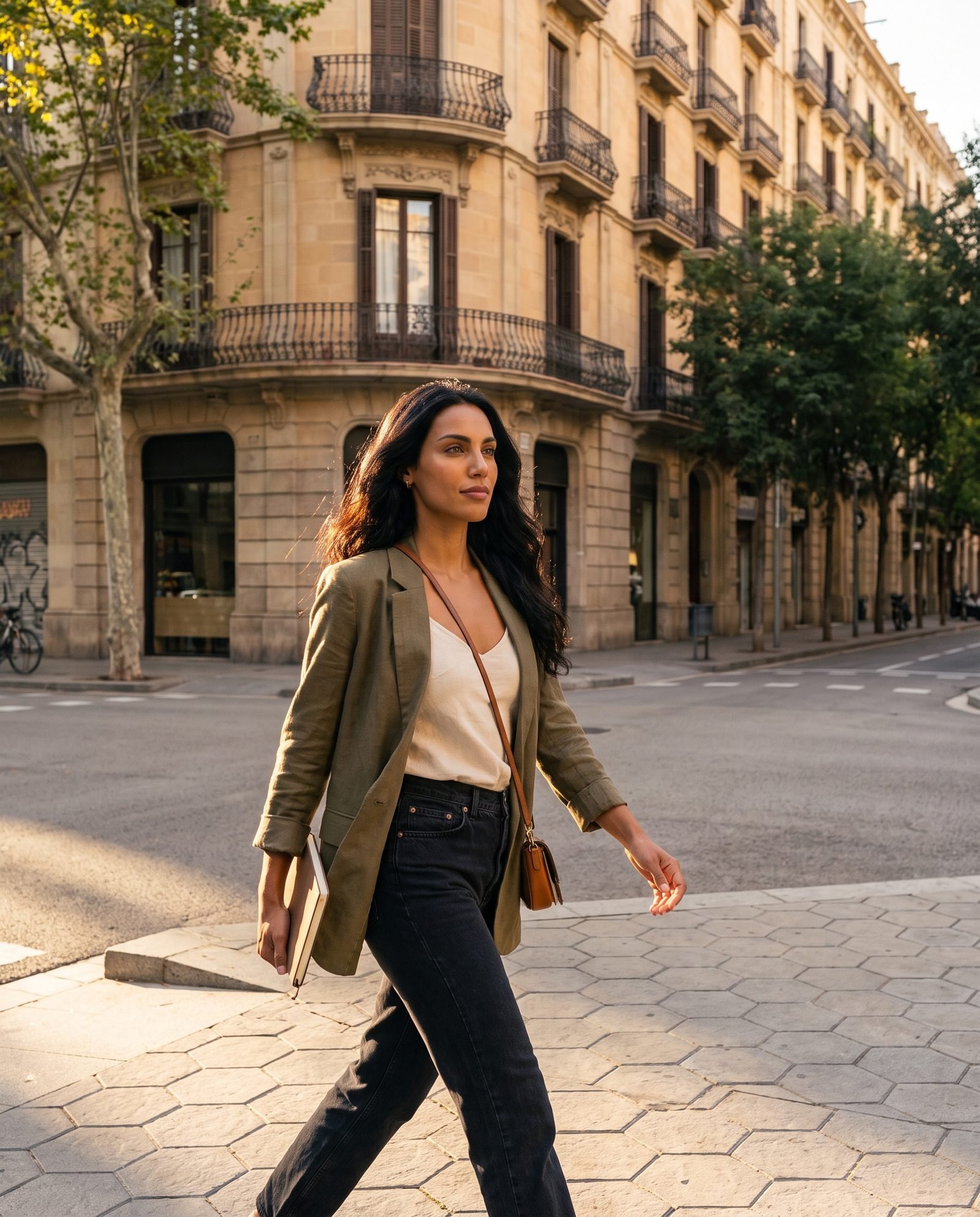
AI-generated
Book Sagrada Família and Park Güell weeks ahead — both use timed entry with real capacity limits. Everything else in this city can be decided on the day, and several of the most-booked experiences are worth skipping entirely.
Book these ahead, properly ahead
Sagrada Família. Timed entry, and it sells out in season. Tower access is a separate, much smaller-capacity ticket — if you want it, buy it with your entry rather than hoping to add it later. Note that you descend the towers on foot via a narrow spiral staircase, which rules it out for some visitors.
Park Güell. Only the Monumental Zone — the mosaic terrace and the gatehouses everybody photographs — requires a ticket and a time slot. The surrounding parkland is free and open, and on a hot afternoon it is the better half. Slots are capped per half hour and go early in summer.
Casa Batlló and La Pedrera. Both on Passeig de Gràcia, both Gaudí, both busy. If you are choosing one, they differ in character more than the photographs suggest: Casa Batlló is the theatrical one, La Pedrera the architectural one. Book a slot; walk-up queues are long and the tickets are not cheap.
Worth doing, no advance booking needed
- The Gothic Quarter and El Born on foot. The two oldest districts, best walked without a plan. El Born is where you will actually want to eat.
- Montjuïc. The hill above the port holds gardens, museums, the castle and long views. The funicular and cable car are ordinary public transport, not an attraction to pre-book.
- The Picasso Museum. In El Born, and strong on his early work rather than the famous later paintings. It operates free-entry slots on a schedule that changes — check the museum’s own site before you pay.
- Beaches beyond Barceloneta. Barceloneta is the closest and by far the most crowded. Walk or ride north to Bogatell or Mar Bella for the same water with room to put a towel down.
What we would skip
Restaurants on La Rambla. Prime tourist frontage, prices to match, and food that would not survive two streets inland. Walk into the Gothic Quarter or El Born instead.
Flamenco shows. Flamenco is Andalusian, not Catalan. Barcelona sells it because visitors expect it, not because it belongs here. If you want the local tradition, look for a sardana — danced publicly and free — or a concert at the Palau de la Música Catalana, which is also worth seeing for the building alone.
Hop-on hop-off buses, in this city. Barcelona’s metro is fast, cheap and goes where you want. The bus is slower than the train and more expensive than both.
Getting in from the airport
The Aerobús runs from both terminals to Plaça de Catalunya and is the simplest option with luggage. Metro L9 Sud serves the airport but does not reach the centre directly — you change — and it carries an airport supplement, so the saving is smaller than it looks. A taxi or pre-booked transfer makes sense with a family, early flights or a lot to carry.
Three practical things
- Pickpocketing is organised here. La Rambla, the metro and the beach are the working areas. Keep one card and some cash separate from the rest, and your phone out of a back pocket. It is not dangerous; it is professional.
- There is a tourist tax. A per-night city surcharge is added to accommodation, often collected at the property rather than shown in your online total. Budget for it.
- Catalan and Spanish are both everywhere. Signage is frequently Catalan first. Spanish is understood universally; a word of Catalan is noticed and appreciated.
Common questions
How far ahead should I book the Sagrada Familia?
Several weeks in peak season, and earlier still if you want tower access, which sells out first. Off-season the window shortens, but it is the one ticket in Barcelona worth securing as soon as your dates are fixed.
Is Park Guell worth paying for?
The Monumental Zone is the part in every photograph and it is genuinely striking, so yes if that is what you came for. The free parkland around it is pleasant and much quieter, and on a hot day plenty of people prefer it.
Is the Barcelona Card or a city pass worth it?
Only if you will use several included attractions inside the covered window, and only after checking whether the pass still requires a separate timed reservation for the big sites. Many do, and people find that out at the door.
Do I need to speak Catalan?
No. Spanish is universally understood and English is widely spoken in tourist areas. Signage is often Catalan first, which is worth knowing when you are reading a menu or a metro map.
Sort these before you fly
- Where to book attraction tickets — which resellers are worth using for timed entry, and which to avoid
- Best travel eSIM — data that works the moment you land
- Transfer vs taxi vs train — the arrival decision, compared
- All destination guides — Rome, Paris, Lisbon, Santorini and Tokyo
Roaminger earns a commission when you book through some of the links on this page, at no extra cost to you. It never changes which option we recommend — and where the honest answer is a service we earn nothing from, we say so.